
Badgers
Badgers at the Bottom of the Garden!

The first time we installed a wildlife camera, I knew we’d picked the perfect home. It was late 2019 and we’d just moved house. Most people would be picking out paint colours and planning their décor. My top priority was getting my bird feeder up.
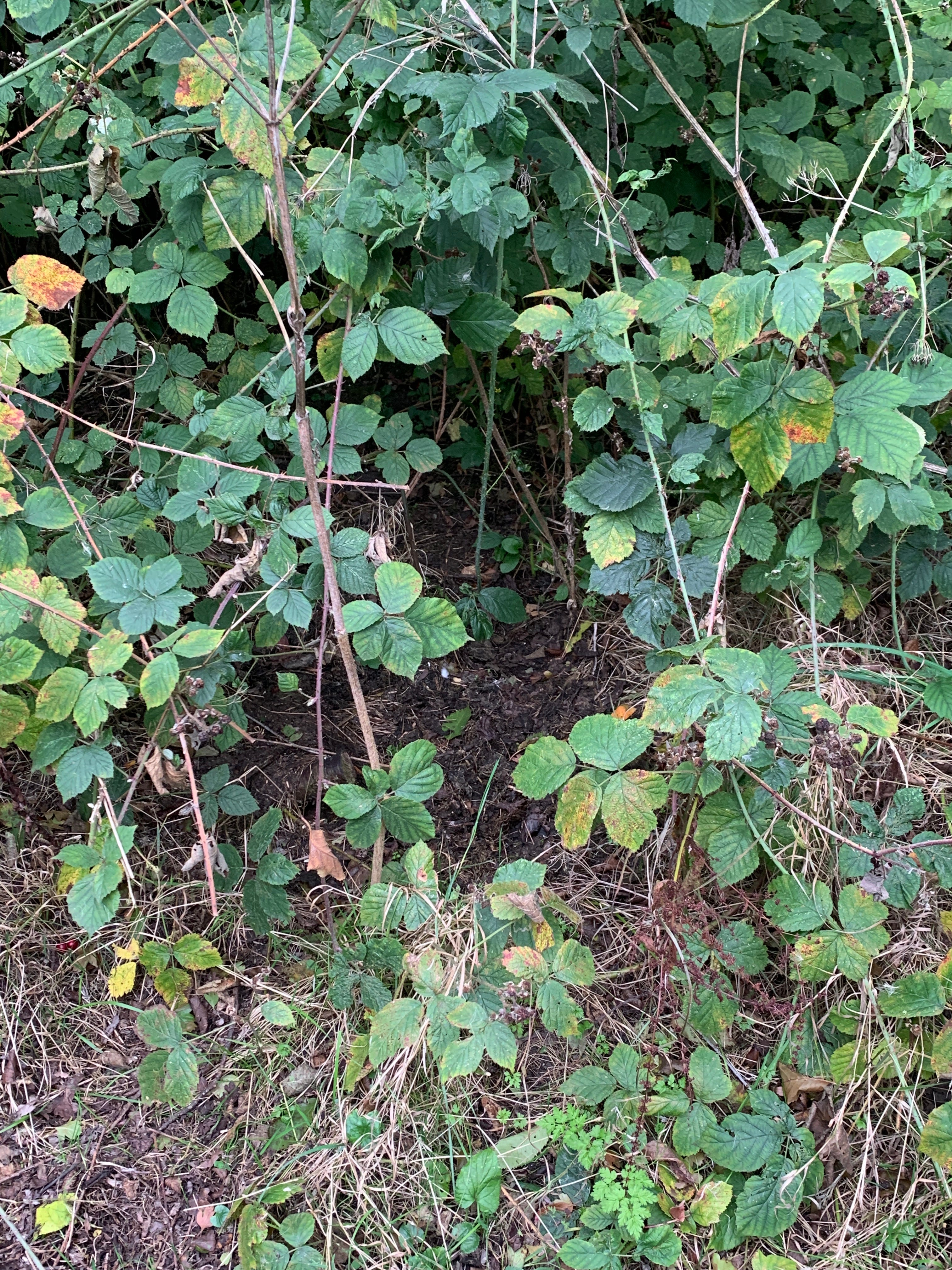
In an attempt to avoid the drama occurring inside our 60-year-old home - where floors were being ripped up and bathrooms were flooding every other night - I spent my time exploring our land, 1.2 acres of garden and outbuildings. Straight away, I spotted that at the bottom of our long expanse of grass, underneath two old plum trees and a giant patch of brambles, something had created a well- worn path.
And so, as a wonderful distraction to the endless list of jobs, we decided to install a wildlife camera. We tied it to an old apple tree right at the bottom of the garden and left it out for only one night before checking it.
I will always remember the anticipation, as Andrew pulled up the camera footage on his screen. I had some idea of what might be creating the tracks. I knew that the creature had to be larger than say, a rabbit, or a rat. I secretly hoped that we would see a fox. And so, I watched with bated breath as Andrew flicked through the stills.
What I did not expect to see was a flash of black and white fur.
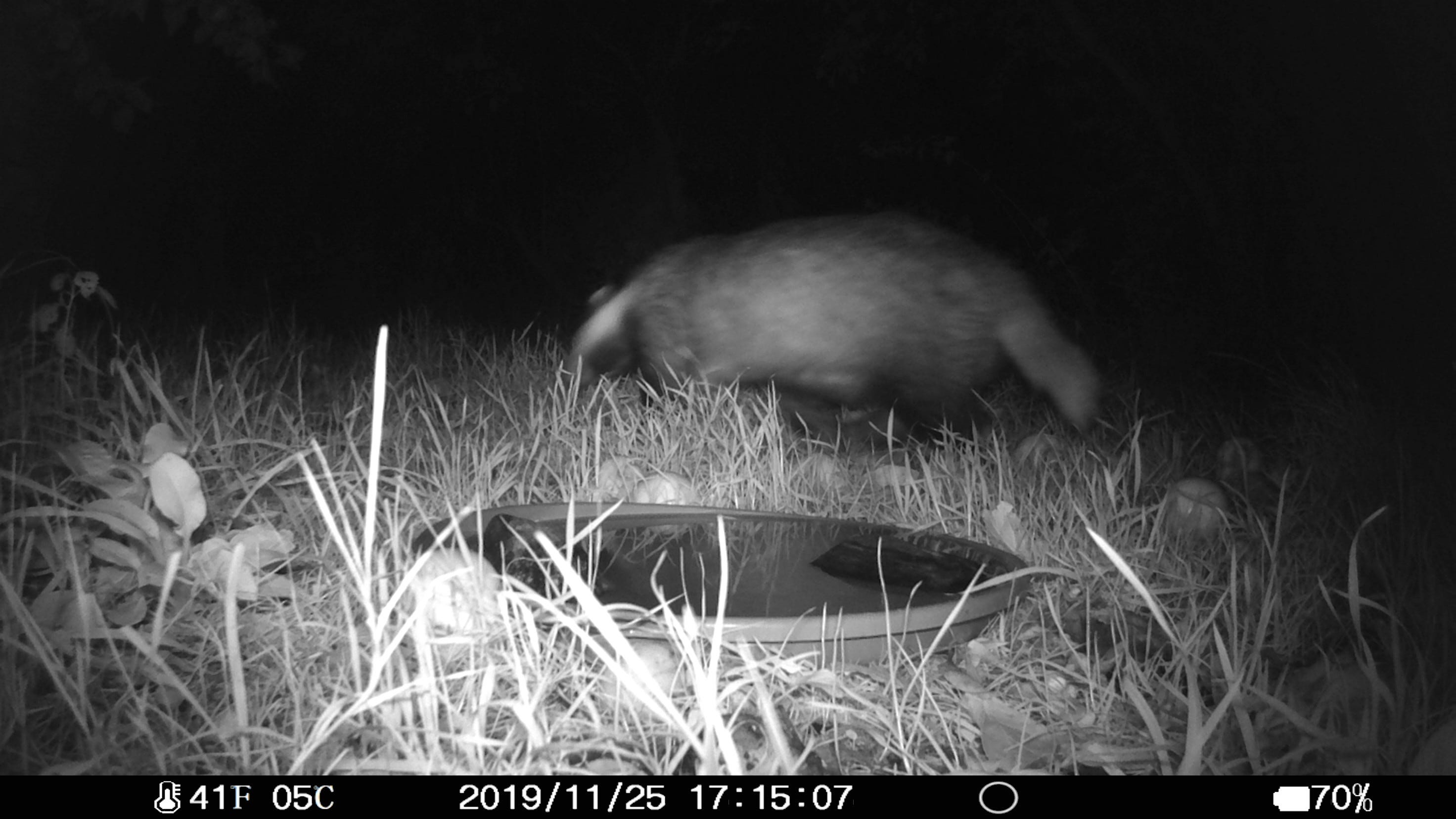
We both gasped out loud and quickly scanned the rest of the shots. A badger? Surely not…
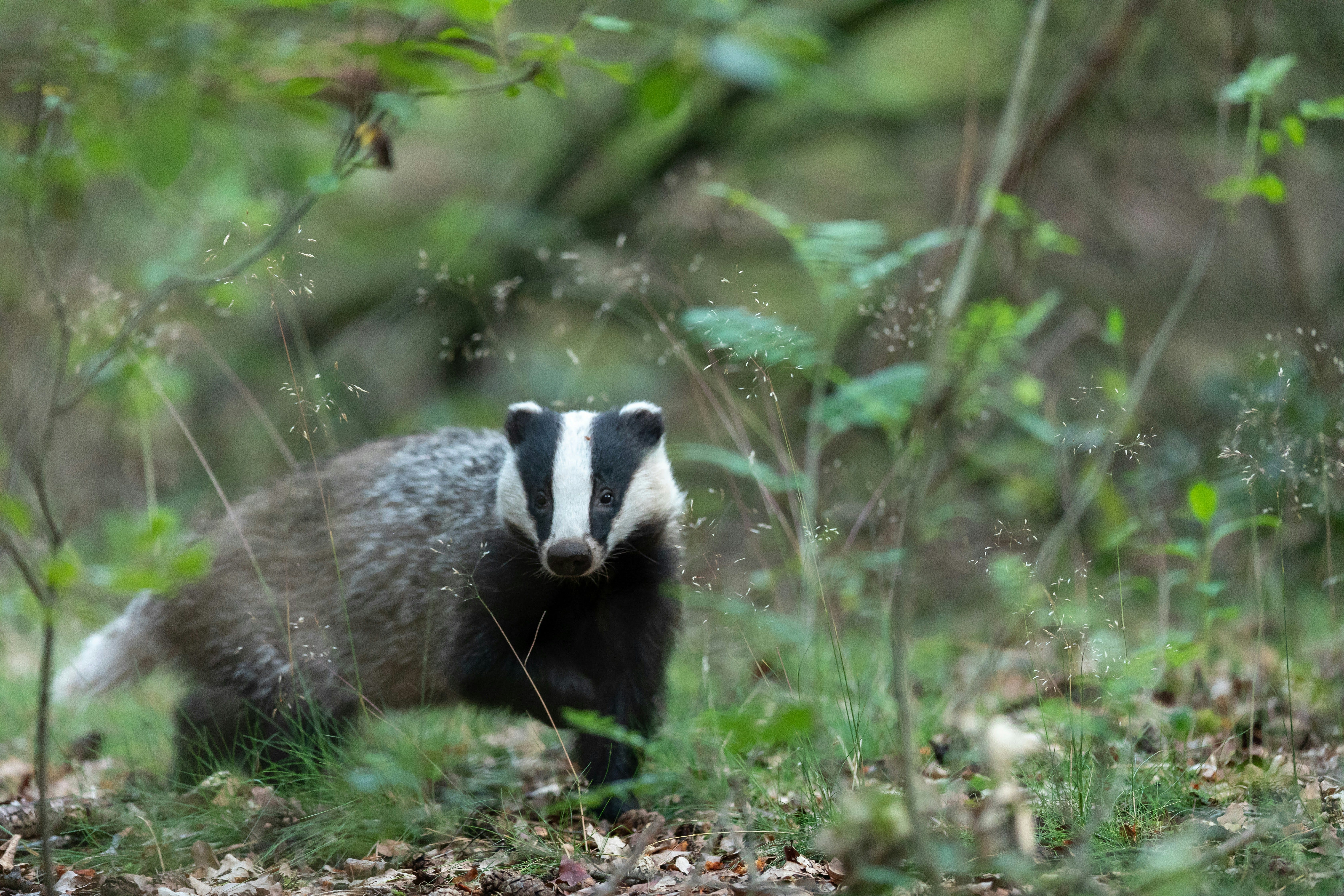
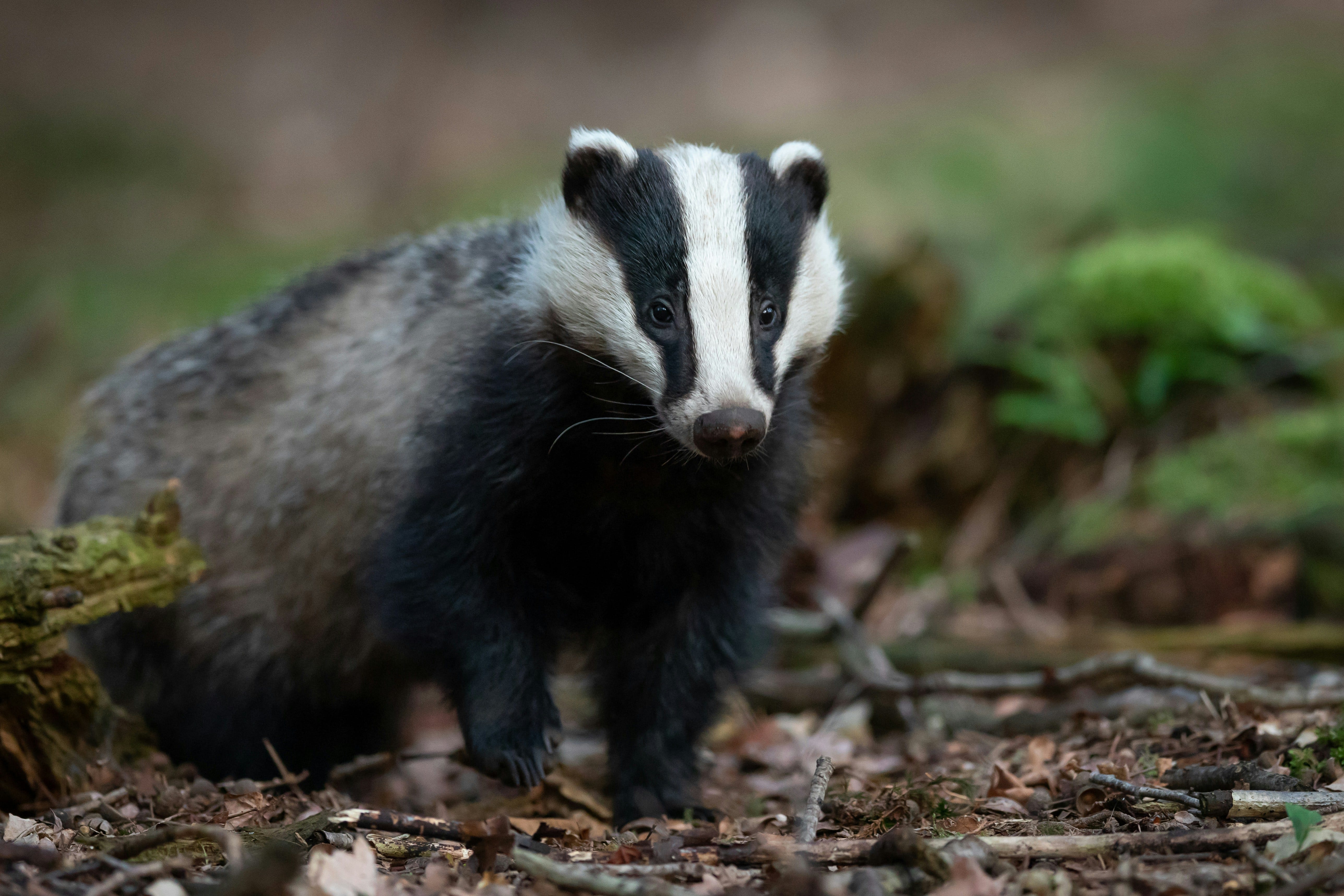
But badgers are unmistakeable. As the UK’s largest land predator, European Badgers have long held a spot in people’s hearts as a symbol of the British countryside and are famed for their black and white striped faces.
Though badgers have been present in the British Isles for at least 300,000 years, their ability to remain hidden, their shy nature and nocturnal habits, make them a relatively uncommon sighting.
And so, to have one at the bottom of my garden? This was the stuff dreams are made of. I always considered badgers to be creatures of deep mystical woods and hidden places. Wise, mysterious and elusive creatures, not the kind of animal to hang out at the bottom of someone’s garden.
But I have since learnt that although they spend a lot of time underground, they spend most of their evenings foraging for food. How lucky that they should have chosen my garden as a favourite spot to visit.
But where were they coming from I wondered?
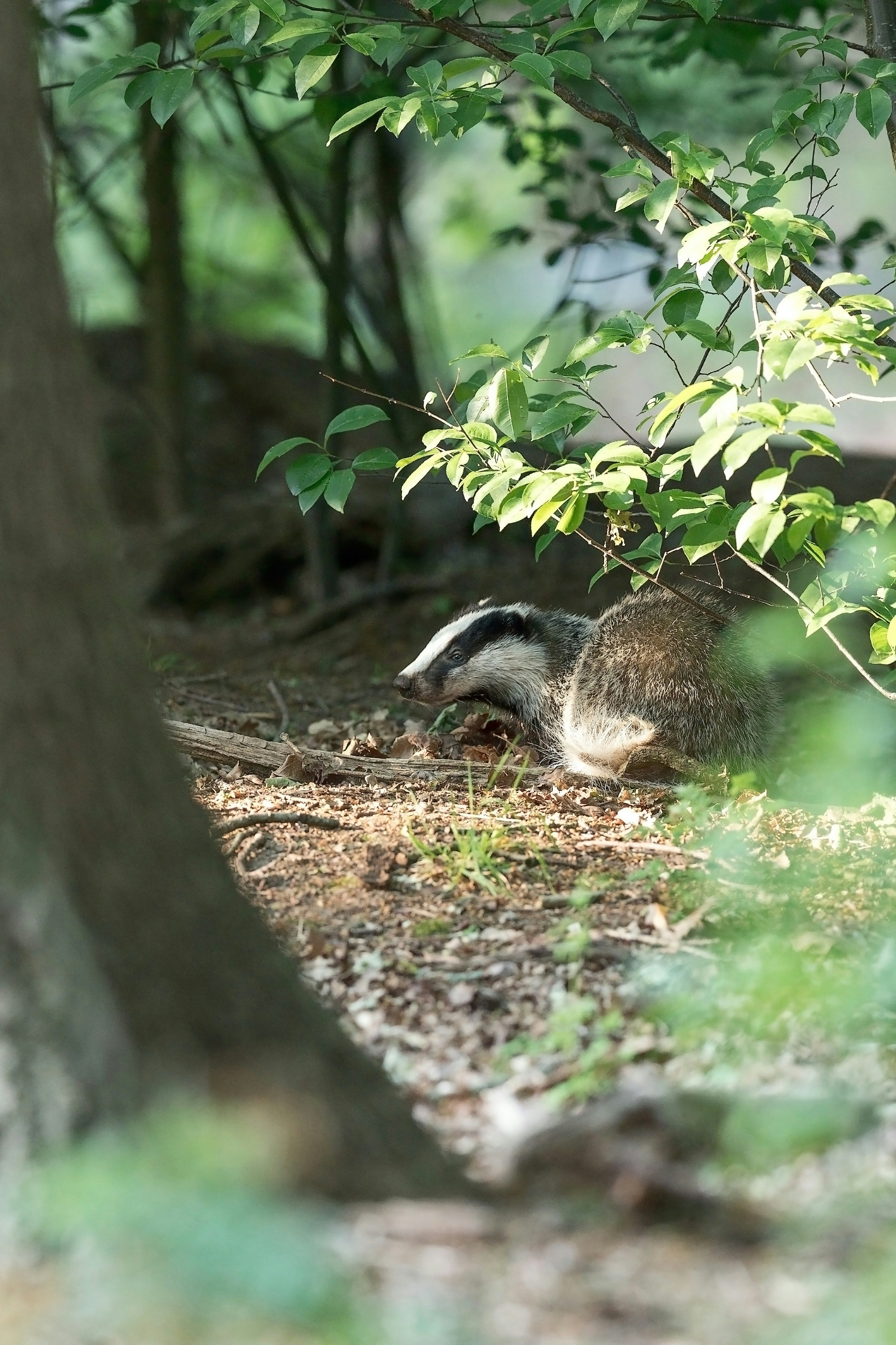
Badgers are found in a variety of habitats, including woodlands, farmland, gardens, and even urban areas. Their ideal habitat is a mixture of woodland and open countryside, which may explain their proximity to my garden. I live on the edge of a large swathe of agricultural land, bordered by ancient hedgerows. My neighbouring houses have an array of decades old trees providing lots of fruit and nuts in the autumn.
Badgers live in underground homes, known as setts, in clans of up to 12 individuals. They can create somewhat of a mansion, some setts may be more than 100 years old and can extend up to 100 metres or more, taking many years to create.
They have multiple holes – some of the largest having more than 50 entrances - intersecting tunnels and different chambers for sleeping and rearing young. Like old family homes in the human world, these setts will be used and maintained by generations of the same badger family.
It is common for disused badger setts to become homes for foxes, rabbits and insects, so their hard work continues to be appreciated. Their digging also helps to aerate the soil, helping plants to thrive. According to Bare Kind
In many ways they act like silent landscapers, shaping the land from below in ways that support biodiversity.
But beyond their direct contributions to the land, badgers also serve as indicators of environmental health. Because they’re sensitive to habitat disruption and pollution, a thriving badger population often signals a healthy local ecosystem. Conversely their decline my hint at larger environmental problems – making them, in effect, early warning systems for the natural world.
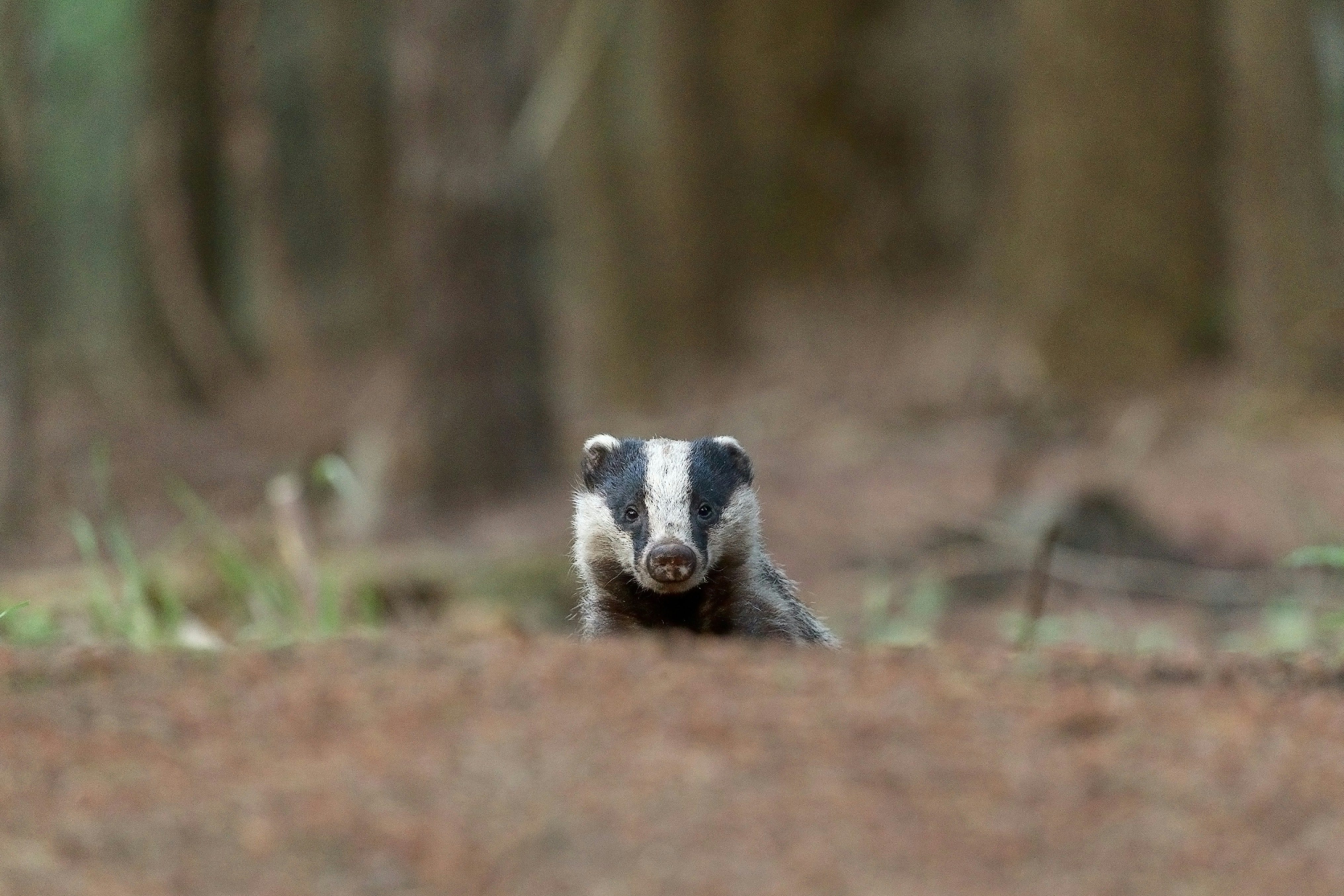
Badger homes are also impeccably maintained. They will use a variety of materials for their bedding, including dry grass, leaves, straw and moss, plus bluebells and other green material in the spring. I feel better about them digging up my bluebells now I know what they use them for!
Being fastidiously clean creatures, badgers regularly air parts of their bedding, leaving it out in the open during a dry, sunny day to kill off pests – and they will completely replace all the bedding a few times a year. They even have designated toilet areas, which are outside their setts, and one of the signs that a badger sett is currently in use.
Checking my wildlife camera each morning became the highlight of my day. I would sit, surrounded by boxes and plaster dust, and immerse myself in the images of what happened in the garden after nightfall.
We soon discovered that we had not one but two badgers visiting us. The male (boar) was easily identified by his heavier frame and broader head and face.
We also discovered why our garden was a favourite spot for them – our badgers love plums!
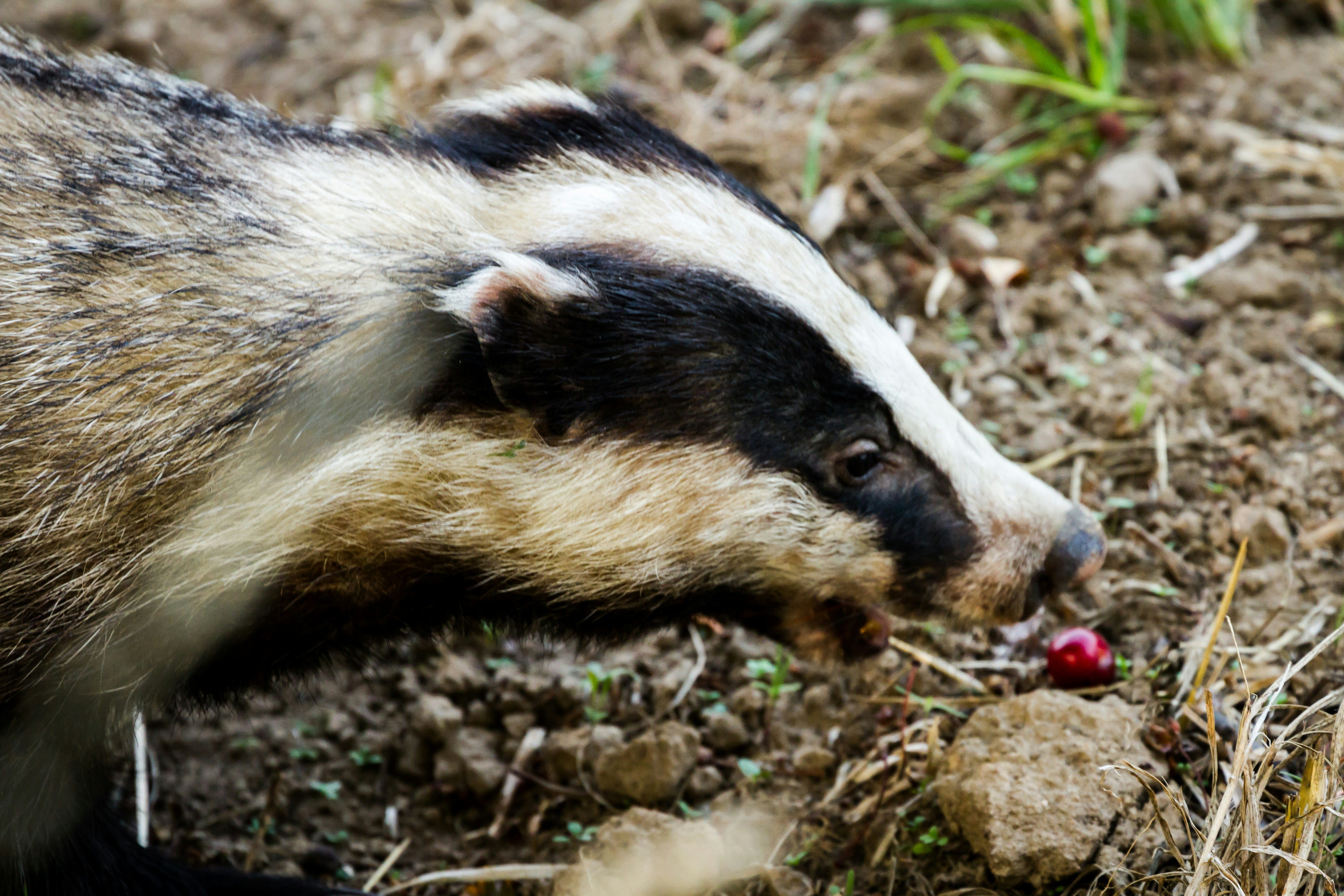
Badgers are foragers, eating an omnivorous diet that includes earthworms, insects, small mammals, fruits, berries and plants. They can uncover food sources from the ground thanks to their strong front paws, which have non retractable claws perfect for digging. It seemed that the heavy crop of fruit provided by our old plum trees was a particularly tasty meal for them. I find that they are also fond of unsalted peanuts and walnuts.
Here’s a lovely video of one of my badgers enjoying a plum feast in the autumn:
Badgers can also consume as many as 200 earthworms in one night! Which may be another reason they like my garden. One night after it had been raining, we went for a dog walk round the field, and Andrew happened to drop his headlamp down to focus on the ground. Suddenly we could see scores of wriggling bodies, earthworms, that had come up to the surface with the rain.
The more we became aware of them, the more we could see, and there were literally hundreds of them, twisting and writhing everywhere we looked. Honestly, I felt like Indiana Jones in that snake scene from Raiders of the Lost Ark. It was more than a little disconcerting!
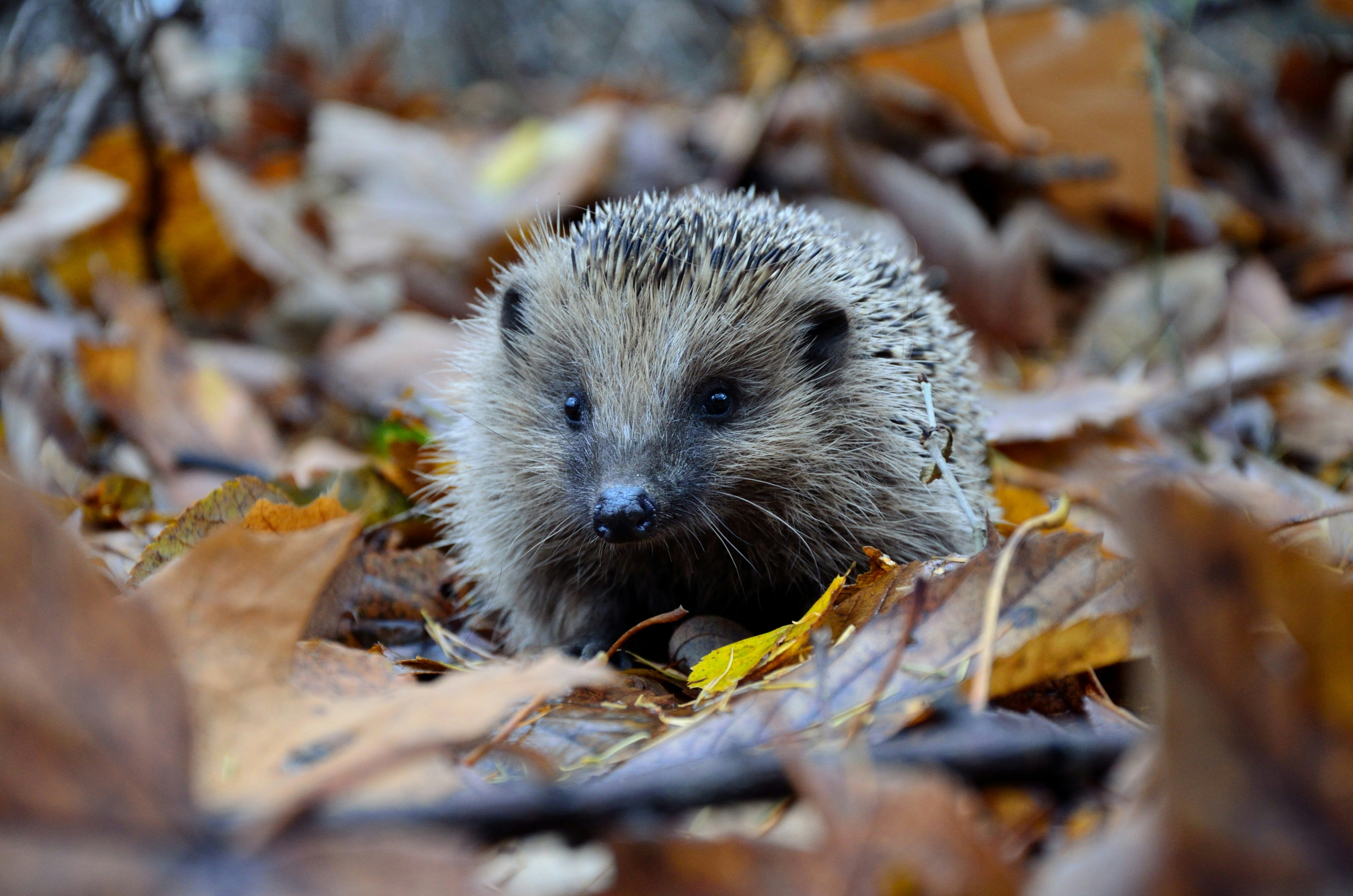
You may have heard that badgers will occasionally eat hedgehogs. They are one of the few predators of these prickly creatures, as their thick skin and long claws help them get past the spines. But they will only predate them if their normal prey items are not abundant. Which is a relief for me since this year I spotted my first hedgehog on the wildlife camera.
According to Badger Trust
“Hedgehogs are currently undergoing a sharp decline in rural habitats and unfairly, badgers are often blamed. A 2018 report on hedgehog declines, owed the reduction of rural hedgehogs to mainly habitat loss, through the intensification of agriculture and fewer hedgerows. This habitat reduction is more than likely affecting badgers as well. More work needs to be done to maintain natural habitats and to re-establish a balanced ecosystem for all species.”
Just as I was writing this post, I came across another Substack post on Badgers by Nature Unveiled. I was delighted to discover that October is affectionately known as “Brocktober” – Brock being the old Celtic word for badger – as this is the time when badgers are at their busiest.
One of the best parts of watching a badger video is the sound of them snuffling as they forage with their noses close to the ground. Badgers have a highly developed sense of smell (around 800 times better than humans) and excellent hearing, as their eyesight is relatively poor. So, they rely heavily on scent for navigation, communication and finding food.
One of my favourite pieces of footage is this one, where you see a badger trotting off happily with a full apple in its mouth (around 37 seconds in) As someone who grew up with the Wind in the Willows, which depicts Badger as a wise old fella who falls asleep over his afternoon tea – it came as a surprise to me how spritely they are. They can run quite fast, reaching speeds of up to 30km/h (19mph) in short bursts.
Badgers communicate with at least 16 different sounds, including yelps, growls and barks and they use scent marking to keep track of their territory and their family. This marking is a habit I’ve witnessed often on camera.
I have chosen not to look too much into the sounds they make however, as there are some pretty terrifying superstitions in old English folklore about hearing a badger and then an owl call meaning that your death is imminent! As regular readers may know, I have a tawny owl that hoots at random times throughout the day and night, so I think I’d rather not know what a badger sounds like, just in case…
Other folklore has arisen around this popular creature over the centuries, including these superstitions as discussed by Bruce Bramfield
In times gone by when it was believed that witchcraft was rife, one thought was that a tuft of badger hair worn in a bag made of a black cat’s skin could offer protection. It has also been said that seeing a badger cross a path on which you have just walked can bring good luck. Equally badgers could apparently foretell bad luck if they walked across a path in front of you and scratched at the earth.
Once I knew we had a pair of badgers, it was hopefully only a matter of time before we witnessed some breeding activity. And for the first time this year, after not seeing her for a while, my female badger appeared on camera showing clear signs of lactating, indicating that she had recently given birth.
Female badgers (sows) will have litters of between one and five cubs. They can also choose when to have their babies (how efficient!) as they breed through ‘’delayed implantation’’ This means that instead of becoming pregnant immediately after mating, they store their fertilised egg until November or December, ensuring that they give birth in the early spring. Isn’t that amazing? Most cubs will begin to emerge from their setts in April, and they will remain with the clan during their early development.
One particularly heart-warming fact I found during my research was this:-
Badgers comfort their young during thunderstorms. In one sett, after a huge clap of thunder, a 6-month-old cub was observed putting his paws over his ears. In a sweet gesture, other badgers sat around the cub to comfort him.
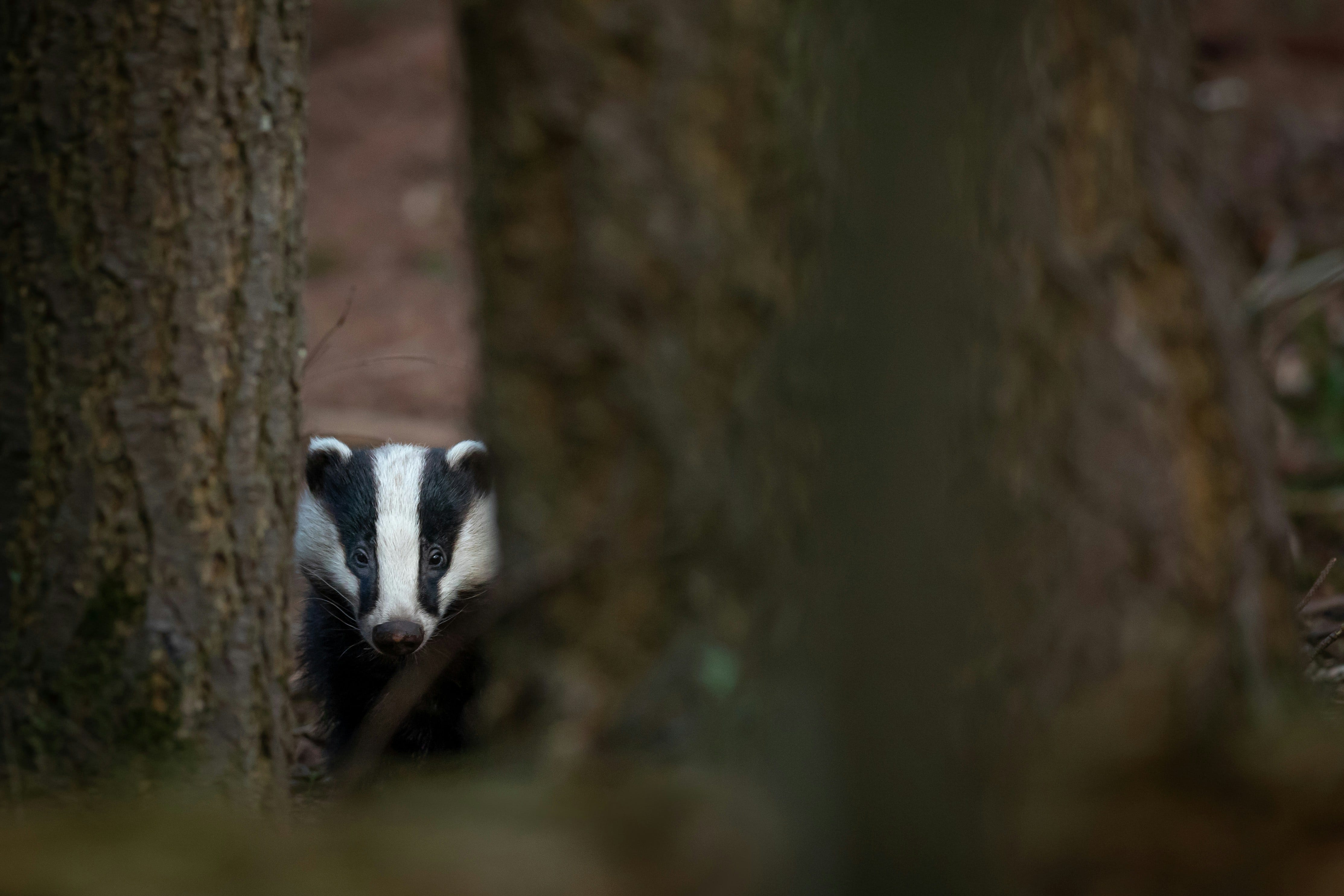
Badgers also cooperate with each other to rear their young, with badger mums receiving help from other female relatives.
I thought the idea of my badger bringing her young to my garden was a bit of a pipe dream, but then, one night, no less than three adorable cubs appeared on my camera.
As the mother bustles around in the background taking the serious role of foraging for food, three young badger cubs jostle one another around and fight over the water bowl. I was only lucky enough to see them once, but it was the highlight of my wildlife camera year.
Badger cubs are very playful. They are known to enjoy playing games and chasing each other. You can get a sense of their playfulness in the video below, where they barge one another out of the way to get to the water bowl, and water gets splashed around all over the place. By the time the final badger gets a look in the water is gone.
I like to imagine that the reason I haven’t seen them again, is because that night, sitting in their mansion, their mother told them that she’s not taking them to our garden again because they don’t behave themselves.
The camera was quiet on the badger front for a little while, but now at least one of the badgers is back on a nightly basis. We had a bumper harvest of plums this year and the ground was littered with them. Amazingly we didn’t have a problem with wasps, as within a night most of the plums would be stripped of their flesh and only the plum stones remained. The badger even visits the water bowl on occasion which is always a treat.
Badgers do not fully hibernate but go into a state of torpor during the coldest winter months – meaning that it’s likely I won’t see them this winter, as they will move around less and stay close to home. However, I’m happy to have discovered that those well -trodden routes they create between their setts and their foraging areas, will be used for generations. So, I see no reason not to see generations of badgers feasting in my wildlife garden for years to come.
For more information on how to see and support badgers in the UK you can visit this website.
And if you struggle to see badgers in the wild but need a badger fix – I found these delightful bamboo badger socks here. 10% of profits are donated to the Brent Lodge Wildlife Hospital.
If you are lucky enough to have badgers where you live, you can support them by providing drinking water and putting food out such as wet cat or dog food, soft fruit, unsalted nuts or root vegetables.
I hope you enjoyed learning more about my badger family. An interesting little fact to leave you with – have you ever heard the saying ‘as rough as a badgers bum?’ Badgerland tells us this saying may have a grain of truth in it:-
Badgers may fight amongst themselves, often to work out who can become the most senior badger in the clan. In these fights, one badger will try and bite the other badger on the bum. These injuries can result in bite marks, and to a loss of fur. Accordingly, some badgers can appear to have a bald bum, which would feel rough to the touch due to any few remaining stubbly hairs.
You’re welcome! :-)
I’d love to hear about your badger experiences in the comments. Do you have badgers where you live? Have you ever seen one in the wild?
If you enjoy my posts and would like to support my writing and help me to feed the wildlife, you have the option to upgrade to a paid subscription.
What you receive in your inbox will remain the same, all my work is now free, but your support will be greatly appreciated and help me to continue to share my wildlife adventures here on Substack.
Alternatively, you can Buy Me A Coffee. A flexible one-off contribution that will help to fuel my writing and buy the badger some peanuts!
RESOURCES
What a delightful piece of writing Melissa! I smiled when you said the first thing you did was put up the bird feeder as that is exactly what I did when I moved recently. I have a badger sett in my local town, set in a wooded area above a fast road, luckily the badgers kept away from the road but it always made me marvel how they could live so close to humans. Like the fox maybe they are having to adapt. Lovely to see your videos again! 🌱
Great post once again Melissa, and fabulous video. I have only met one badger in our fields and that was with Kim, our first border collie. She was hackles up, barking furiously and the only thing I knew about badgers was they could be aggressive if cornered so I was desperate to ensure that didn’t happen. Eventually, she listened to me and the badger turned tail and fled. There are certainly signs of badger activity in the woods adjacent to the farm but they generally keep themselves to themselves. They are often persecuted in areas of livestock farms due to the supposed link to TB in cattle. Something that science doesn’t generally support. Our neighbour once had a lamb killed and mutilated by an unknown predator and when I looked into it, the evidence suggested a badger may have been the culprit although he refused to believe me. I should point out the lamb was sickly and had possibly been abandoned by its mother, I don’t think a badger would attempt to take on an angry ewe to get to a healthy lamb.