
Nature Reflections: When Things Don't Grow
Lessons from the garden.

Firstly, I would like to issue a warm welcome to my new subscribers and welcome back to my regulars. Thank you for continuing to read and support this newsletter.
I plan to offer you more regular newsletters throughout 2026. In addition to your usual wildlife spotlights and nature walks, you can also expect to see more wildlife gardening hints and tips, and a few ‘nature reflection’ posts like this one.
If you’ve been following my notes here on Substack, you will know that spring has officially sprung in my garden this week. Signs of new life are everywhere. But all this growth and abundance got me thinking:
What about when things don’t go to plan? What happens when things just don’t grow?
As February faded, flowers and blossom seemed to appear overnight. Gaudy yellow daffodils nodding in the breeze. Vibrant purple whorls of dead nettle jostling alongside delicate white snowdrops. Pops of scarlet were created by ladybirds peeking out from leaves and bumblebee filled blossom adorned my damson tree. Even my tulips began to reveal tempting hints of the flowers to come, from within their lush green foliage.
But there was one thing missing…
Each year I try to introduce something new to the garden. A plant, tree, shrub, or feature. Something that will enhance the biodiversity and provide benefits to the local wildlife.
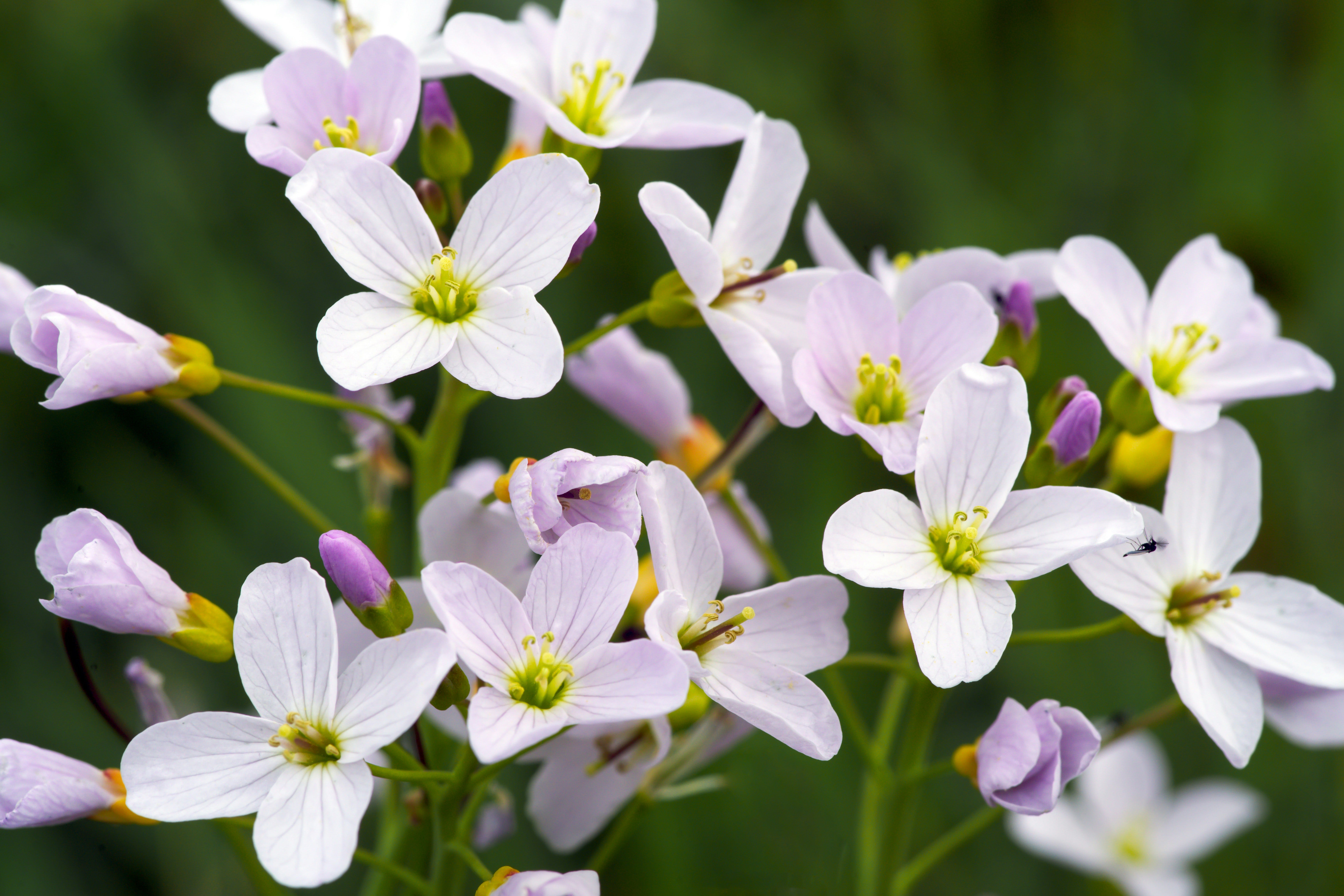
Last year it was cuckoo flower, in the hope of attracting the Orange-tip butterfly to lay some eggs. I carefully sowed the seed in pots in my greenhouse and lovingly tended to them as they grew - celebrating the appearance of every tiny seed leaf. Eventually I planted them out, in a specially cleared patch of grass in my orchard. I have no idea if they will reappear this year, but I am hopeful.
Ah hope. Where would gardeners be without it? As Audrey Hepburn famously said:
“To plant a garden is to believe in tomorrow.”
But it’s also an act of hope to put in the sweat, toil, sometimes tears - and often money - in the anticipation of building something beautiful, knowing that ultimately your garden’s fate is in nature’s hands. And nature can be unpredictable.
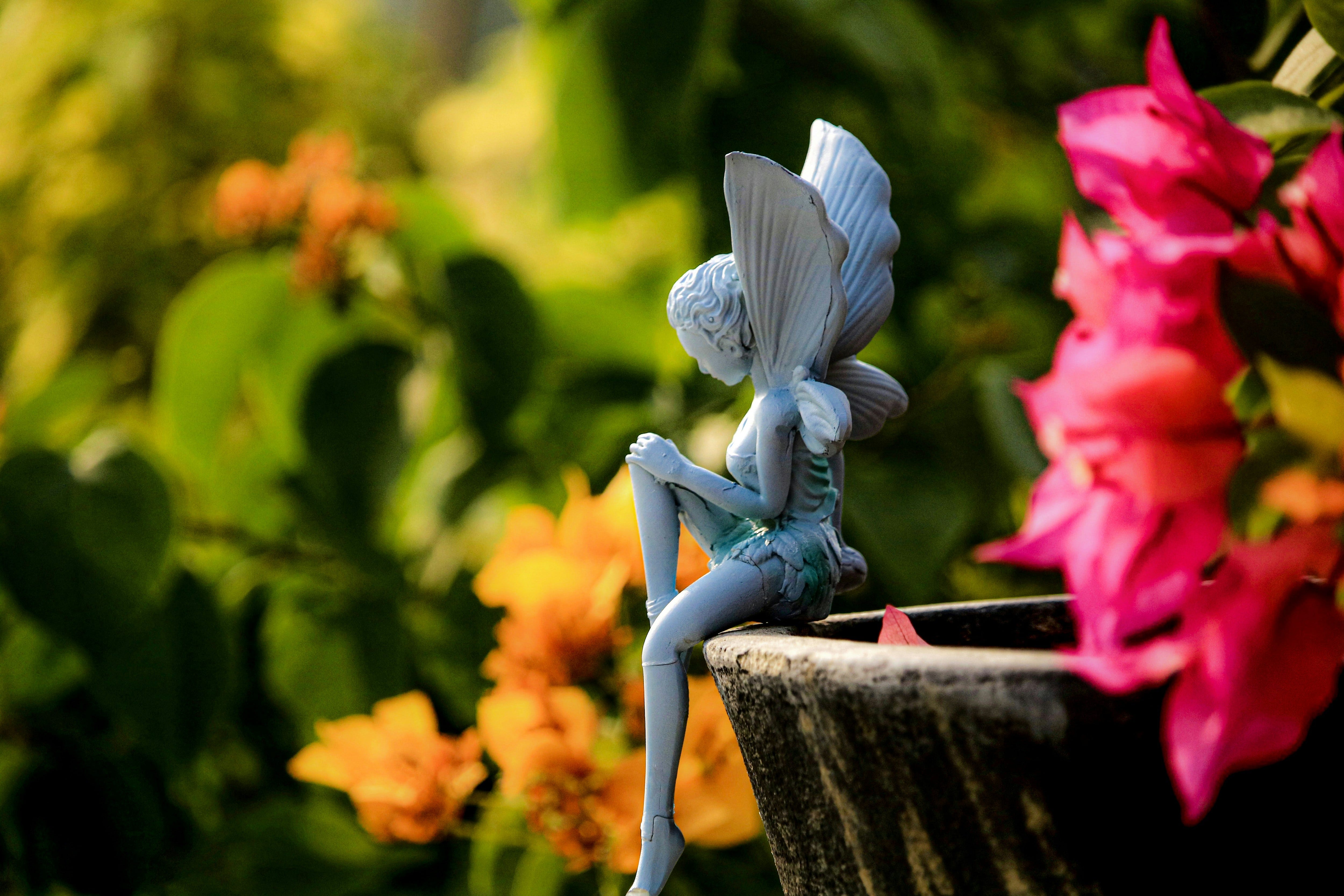
Bulb planting is the ultimate form of hope in my opinion. Burying something so seemingly delicate deep into the soil and leaving nature to do its business, where you can’t even keep an eye on it! I have spent many hours over the years, digging and planting dry papery bulbs in the soil. Sometimes carefully measuring the depth, sometimes not. Then gently covering them in soil and saying a little prayer to the fairies.
The nice thing about bulbs is that you rarely know exactly how successful you’ve been. Because if you’re anything like me – you can’t remember what you planted or where you planted it. By the time spring arrives and the prospect of sowing new seeds is on the horizon, who cares if you’re missing the odd crocus?
Unless you are waiting for something. A longed for something. And it doesn’t appear. Then I really do care.
That something for me was a Winter Aconite.
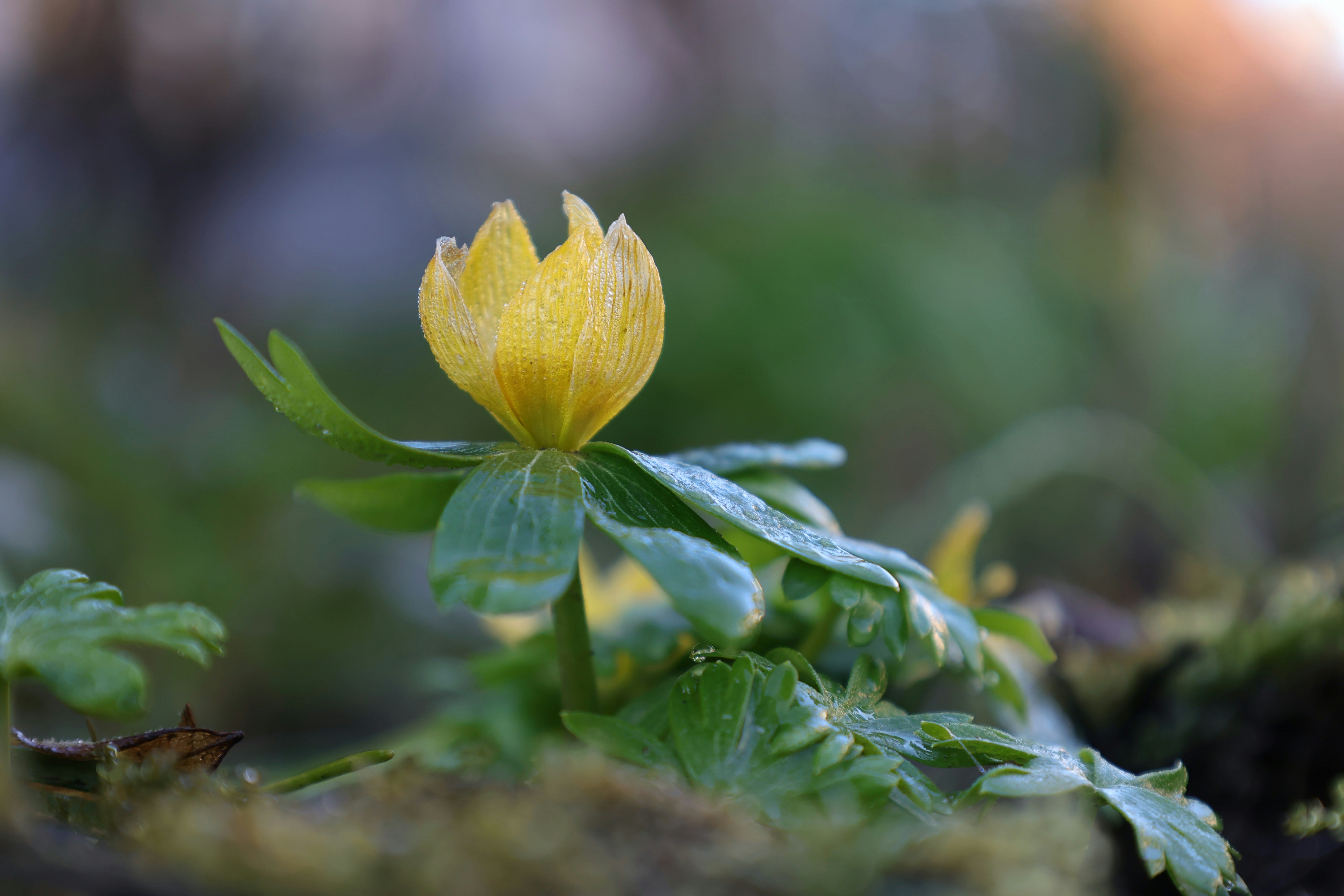
Last autumn, the plant I chose as my new introduction was the charming yellow winter aconite. Planning to add another ‘harbinger of spring’ like the snowdrops, to the wildlife garden, I went online and purchased a pack of no less than 100 bulbs. I confess to being somewhat daunted when they arrived in a paper bag, around 250 of them(?!) Maybe I should have known then that it was too good to be true. But I purchased from a reputable garden centre, I had no reason to be concerned.
And so, I donned my gardening gloves and spent a happy half hour filling pots with soil and planting these small, knobby little tubers. Whilst I worked the robin sang its cheerful song from the treetops, and the late autumn sunshine warmed my back. About twenty pots in and looking at the pile of remaining bulbs that didn’t look any smaller, I began to wish I hadn’t started this crazy endeavour.
But I told myself; it would be worth it. When the late winter garden was covered with vibrant yellow jewels. They even push their way through snow. What could be better than that?
I had this crazy notion that planting them in pots first would give them a better start. My polytunnel was brand new and I thought it was the answer to many of my gardening woes. It also helped to avoid the need to dig in my heavy clay soil. Anyone who has the joy of gardening with heavy clay, will understand why I would do anything to avoid it.
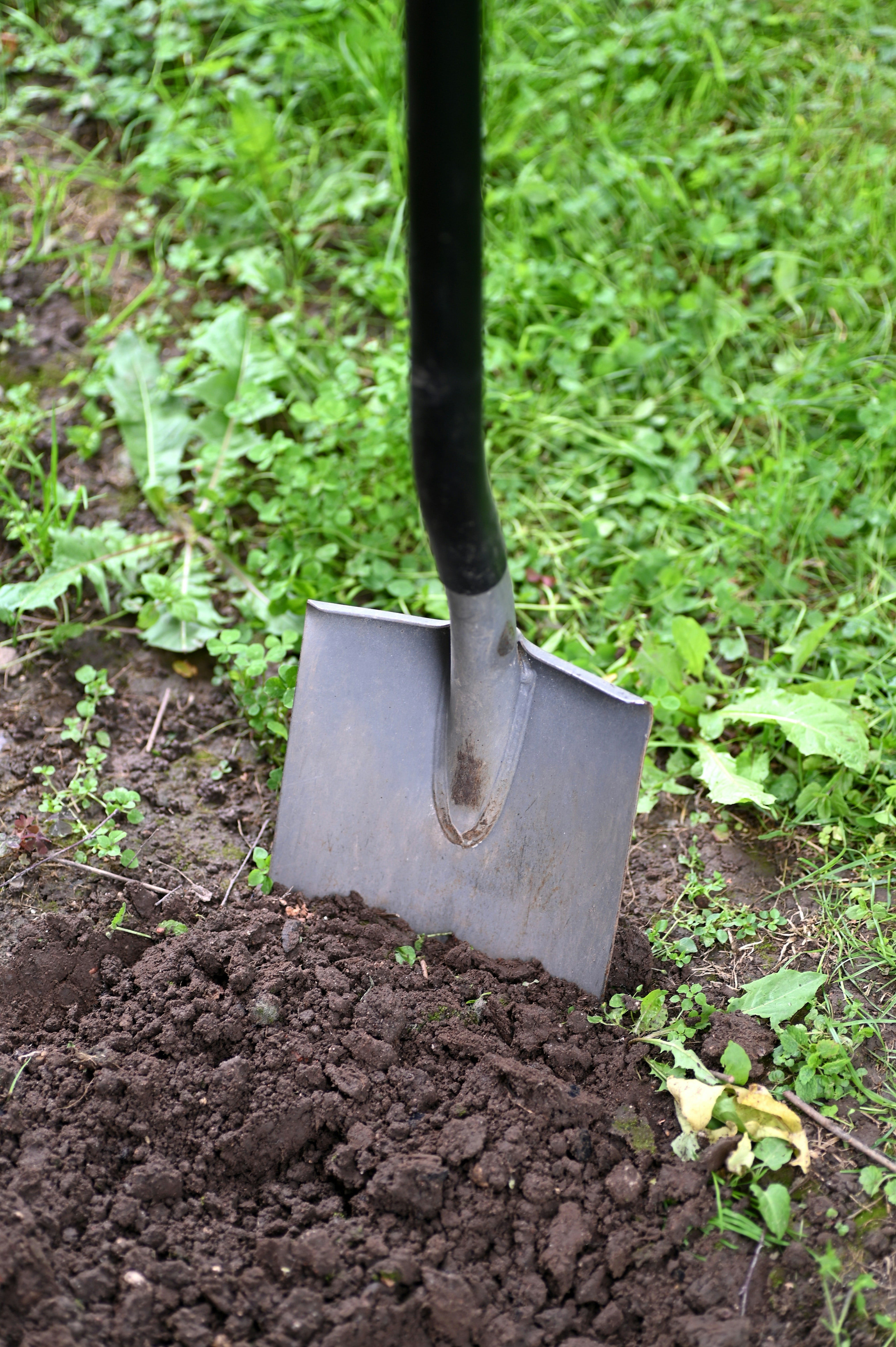
But after a while, as I looked at the dozens of bulbs still awaiting planting, and the fact I was fast running out of pots, I decided ‘sod it’ and took them out into the garden. Planting willy nilly wherever I could manage to get a trowel into the soil, I threw them into small holes in their handfuls.
They’re hardy, I thought, they’ll make it work.
But even then, I was exhausted, and that pile of bulbs just didn’t seem to be shrinking! So, when my next-door neighbour peered over the fence to see what I was up to, I seized the opportunity. I gifted him what was left. I must have given him at least 100. His face lit up as he rustled the paper bag and peered inside. A little like mine when I was eight and held a bag of penny sweets. ‘I love aconites’ he said, and scurried off, clutching his paper clad treasure to his chest.
A few days later and he told me how exhausted he was from painstakingly planting each individual bulb around his garden. I smiled smugly. I didn’t bother with such nonsense.
But I had a nagging feeling that something wasn’t going to work out. And several weeks later I paced around my polytunnel, watching the still earth and wondering what was happening beneath. Too impatient to wait for the soil to give up its secrets in the spring, I took a tiny trowel and dug up a bulb.
Only I didn’t, because there wasn’t one.
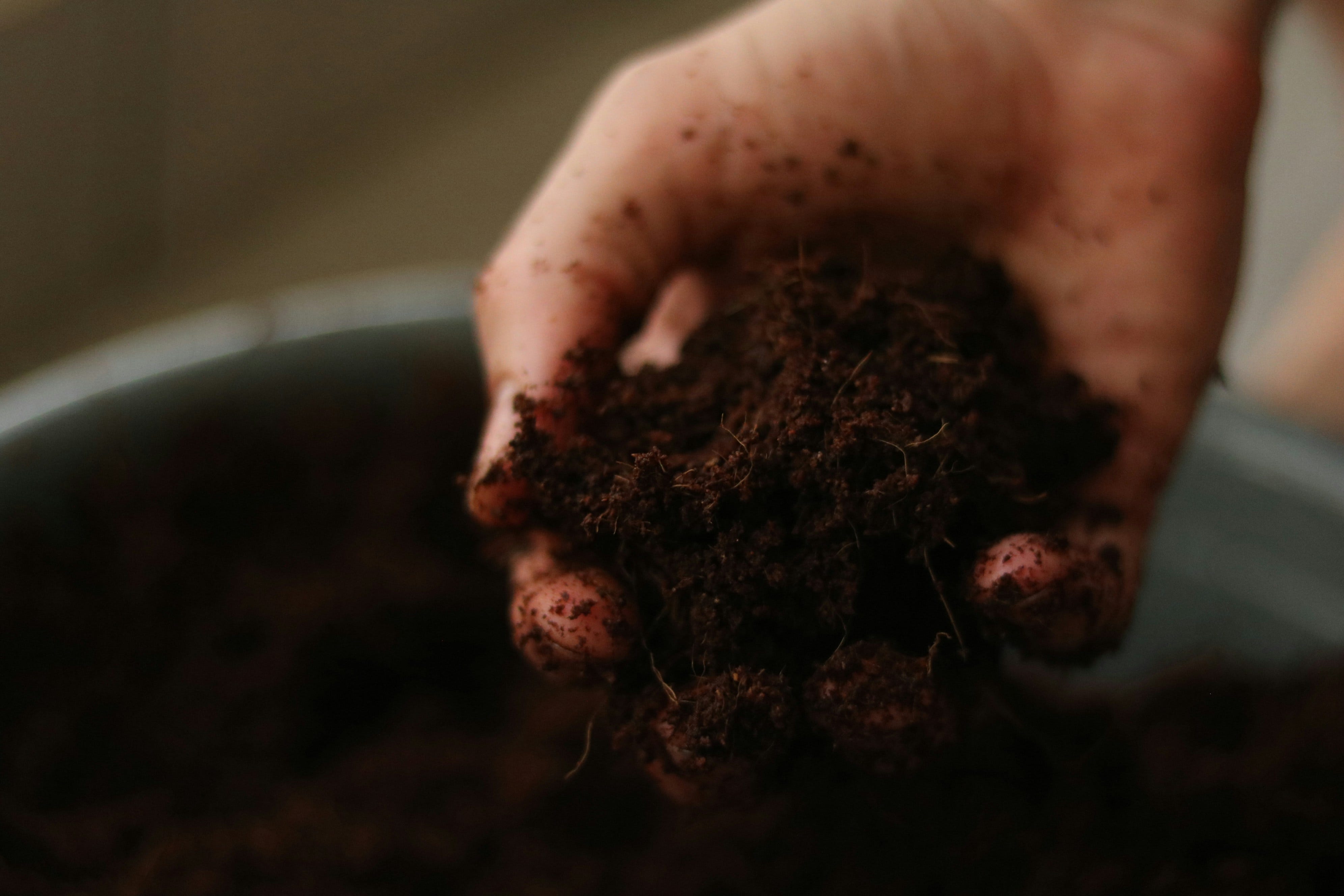
I dug around in the soil repeatedly, thinking I must just be missing it. Eventually I dumped the entire contents of the pot on the bench and rummaged around, soil spilling onto the floor and sticking beneath my fingernails. No bulb. The whole thing had disintegrated.
Oh dear.
I tipped up the rest of the pots. It was the same story. Only then did I think to do a quick Google search from my phone. My tech savvy husband having installed Wi-Fi in the polytunnel – naturally. Words like ‘notoriously difficult’ jumped out at me. Apparently, it’s a well-known fact that aconites do not establish well from dry bulbs.
Oh.
My heart ruling my head again. Note to self. Google First. Plant Second. Mistakes can easily be avoided if you do a quick bit of research.
I didn’t tell my neighbour. Maybe the ones we planted outside would fare better.
They did not.
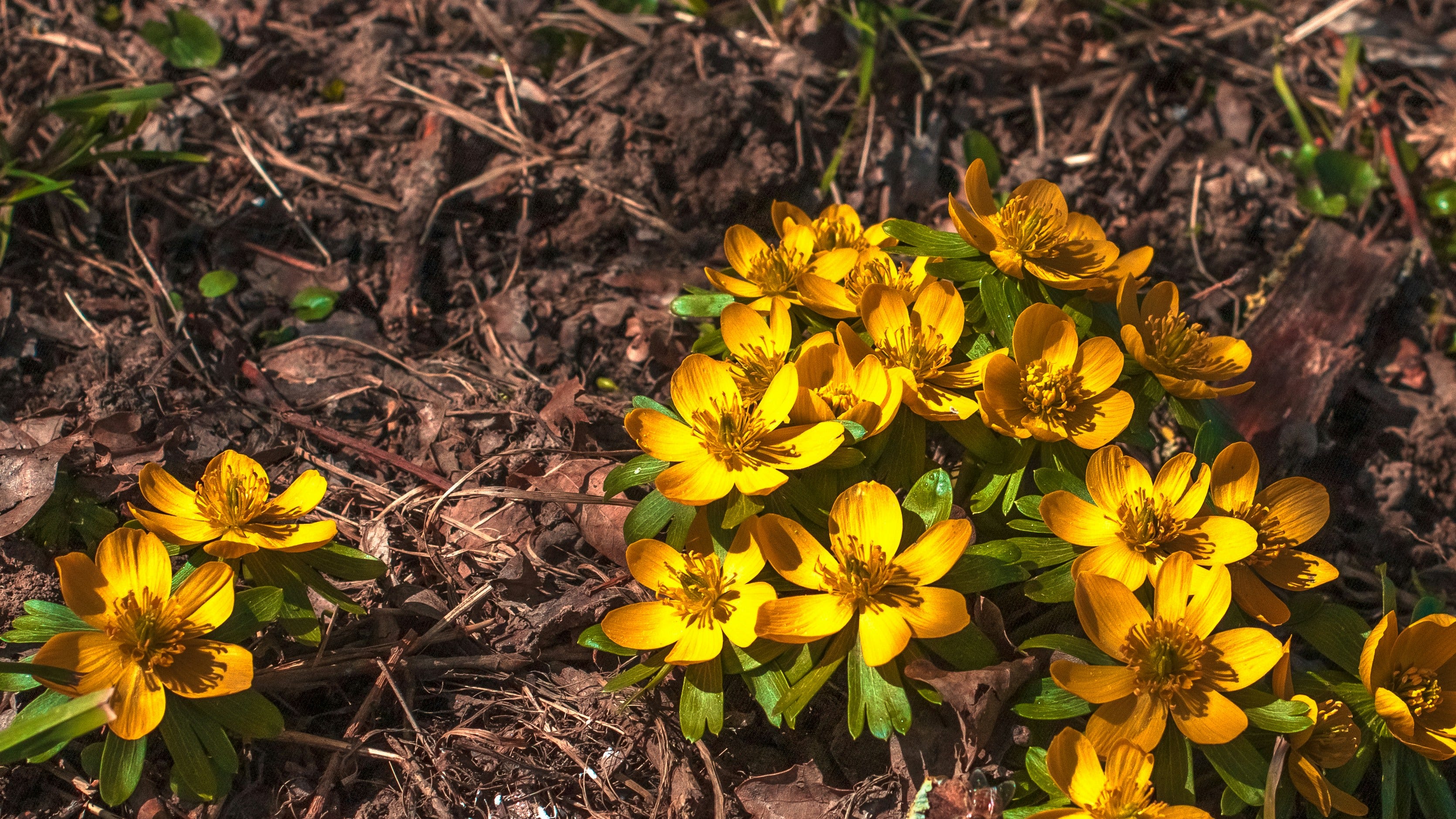
This winter, by the time that crocuses and snowdrops were in full bloom in my garden, but no aconites were to be seen, I went for a day out in York. Meandering through the gardens of the Merchant Adventurers Hall, I stopped at a well-established display of yellow flowers with dark green, glossy leaves.
‘Are these aconites?’ I asked my knowledgeable friend, silently crossing my fingers that they were not. But I knew what was coming. ‘Yes,’ he said, as my heart sank. Yes, they were.
It was time to face facts. The aconite planting had been a disaster.
A few days later, I casually asked my neighbour about his aconites. I said, ‘because I haven’t seen a single one,’ with an airy wave of my hand and a nervous fake laugh. Neither had he. His face fell and he looked like a broken man. I shouldn’t have brought it up, I thought.
‘All that work’ he said, shaking his head. I felt so bad that I took one of my only two precious white crocuses and gifted it to him. I don’t think it made up for it.
But, ever the optimist, I wondered what I could learn from this experience.
What happens when you plant your hopes and dreams in the autumn and wait all winter long, for it to come to nothing?
Sometimes it’s a useful learning experience.
Lesson No. 1 - Mistakes help you to grow (sorry, I couldn’t resist) Literally and figuratively.
Sometimes it’s simply human error.
Like when I planted wildflowers in a grassy area without any kind of support to help them fight off the invasive grass species (I hear yellow rattle is good for this)
Lesson no. 2 – If you want something badly - put the effort in. Do your research. Prepare.
As my late father used to say ‘If a job’s worth doing, it’s worth doing well.’
I miss you dad.
Sometimes you need a helping hand.
In the case of the aconites, I’ve decided I’m going to entrust my future planting to those with more gardening know how. I hear that planting some spring flowering plants ‘in the green’ gives you a good chance of success.
Lesson No. 3 – Don’t be afraid to accept help - you don’t have to do it all yourself. Don’t be afraid to trust in others who have more knowledge or skills than you. Ask questions. Watch and learn.
Sometimes it’s accidental
Like the time my friend came over to help me weed and dug up all my hellebores. I’m still scarred.
Lesson no. 4 – If something is precious to you. Take care of it. Only entrust it to people who care the way you do.
Sometimes you just need to wait a little longer
Just this week I was about to give up on an ‘empty’ crocus pot. All its companions were in full bloom and already planted out in the garden, but the soil in this little pot was bare. I planned to tip all the soil out and use it for something else, then just today I spotted tiny green shoots breaking through the soil.
Lesson no. 5 – Don’t give up too soon. Some plants (and people) are just late bloomers.
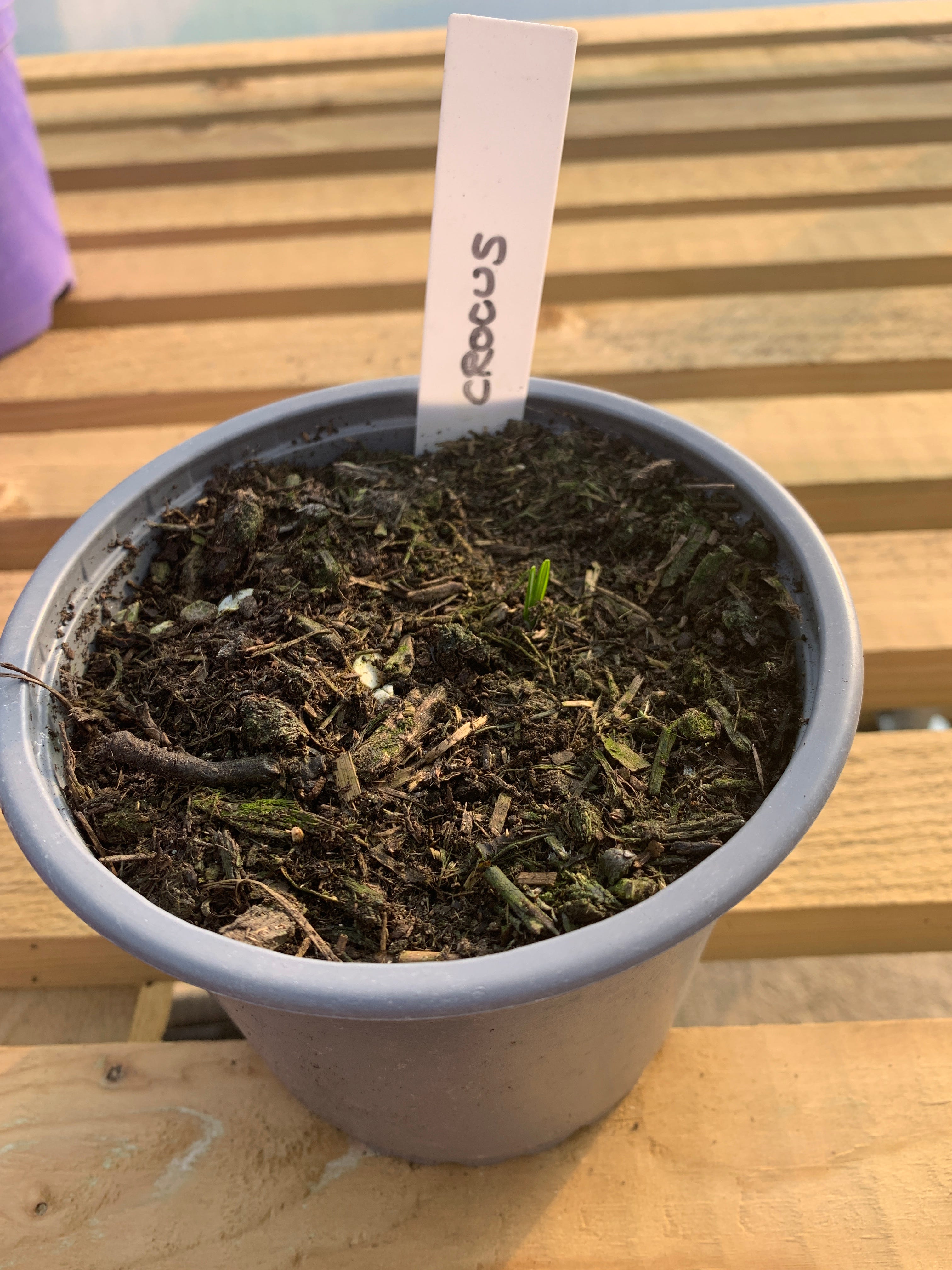
My dad, my gardening hero always used to tell me ‘you can’t rush nature.’
But sometimes it’s just not meant to be.
Sometimes you yearn for something and work hard for it, but no matter how well prepared you are it just doesn’t work out. Gardening is like life. You can’t control everything, and no matter how well prepared you are, sometimes things still go wrong.
All we can do is pick ourselves up and try again. And I know that when I finally see that precious little yellow flower next winter, I will appreciate it so much more.
Now please excuse me whilst I go and order some aconites in the green… wish me luck!
Until next time.
Melissa 🌿
How about you? What gardening failures have you learned from? I’d love you to tell me about them in the comments.
Enjoyed this post? If you would like to buy me a coffee to support my work, you can do so here:-
The humour in this piece made me smile.
The gardening tips were spot on, too. What I always found with gardening was that each year and its accompanying weather favoured specific plants: it was like each plant had its moment to shine. I loved that. Gardening is full of surprises.
I have struggled trying to grow lemon seedlings (an ode to my surname). I manage to raise the seedlings to about 6cm high, but then they shed their leaves one by one , leaving a lonely stalk-and me in a state of despair.
As you said, sometimes you simply have to give up on some projects, and focus on your little successes instead. 🌱🍋
Oh my God, it's your neighbour I feel sorry for. He must have thought the only reason you gifted him 100 is because they were duds 😂